Showing posts with label Fitness. Show all posts

Nov 18, 2012

Coriander Drink - Good for health !!


Coriander  Drink – Good for health !!

How to make coriander drink?

In a bowl, soak a handful of coriander leaves in 2 cups water for half an hour. Wash well. Add 3 cups / 600 ml water of fresh water and boil for 12 minutes on a medium heat until fragrant and color changes. I’m not very sure about more health benefits. It’s a  very  good health drink. Serve warm or cool.

Feb 8, 2012

Sambar Oats


Oats, is considered a very healthy breakfast option for many, who for different reasons wants a change from traditional Indian breakfasts. Despite its many benefits, consuming Oats may not be a tastier option for an Indian, who is accustomed to the tastier varieties and accompaniments of a traditional breakfast.

Here is an option to break the monotony of staple Oats, making it healthier with vegetables and also with a generous mix of Indian spices – the kind one’s taste buds are used to.

Now a days, pre-mixed oats with spices (curry, pepper flavour …) are available off the shelf – but why to buy them, when you can make it with little or no extra effort.

Presented here is Sambar Oats. Use your imagination for a variety and give me a feedback too.

Sambar Oats

Serves: 1

You will need

2 teaspoon oil

1 onion (small size), finely sliced (or 5 shallots / chuvannulli/ sambar venkayam, finely sliced) or any vegetables of your choice like fresh green peas (mutter, tomato, cabbage, cauliflower..)

3 French beans, finely chopped

1 medium size carrot, grated

Other ingredients

1 teaspoon sambar powder (homemade or any top brand off the shelf) or 1/2 - 1 teaspoon

4 tablespoon oats

300 ml water (1 ½ cup)

½ teaspoon salt (or to taste)

1 teaspoon chopped coriander leaves

Method

Heat oil in a frying pan. Add sliced onion / shallots and fry till golden color on a medium to low heat.

Add chopped French beans and grated carrot. Mix well. Cover with a lid and cook on a medium to low heat for 8 minutes or until softens. Switch off the heat.

Final preparation

Add 4 tablespoons oats, 1/2 to 1 teaspoon sambar powder, ½ teaspoon salt (or to taste) and 300 ml water. Stir all the ingredients well. Cover with a tight lid and cook on a low heat for 5 minutes or until oats softens / thickens. Sprinkle chopped coriander leaves and serve hot.

Homemade Sambar Powder

Makes: 105 g

You will need

20 dried red chillies

1 cup (100 g) coriander seeds (dhania)

¼ cup (25 g) chana dal (Bengal gram)

¼ cup (25 g) urad dal

¼ cup (25 g) methi seeds (fenugreek seeds)

1 teaspoon hing (asafoetida)

½ teaspoon turmeric powder

Method

In an iron kadai, dry roast separately dried red chillies, coriander seeds, chana dal, urad dal and methi seeds on a low to medium heat. Do not dry roast on high heat. Approximate dry roasting time 20 - 22 minutes until fragrant, slight color change and crisp. Switch off the heat. Finally mix all the dry roasted ingredients together. Add turmeric powder and hing. Stir continuously for 5 minutes. Keep aside to cool for 15 minutes. Transfer these ingredients in a mixer bowl and make a fine powder. If using small mixer bowl, make powder in batches. Store in an airtight container.

The exact quantity of this powder to be added to the sambar depends on ones taste (2 teaspoons sambar powder required for 3 servings (1 medium bowl) . Make in smaller quantity - ie for use for a few times. The fragrance / freshness may be lost if one makes in large quantity and store for longer duration.

May 24, 2011

High - Sodium Foods to Avoid


High-Sodium Foods to Avoid

Find out which foods have a shocking amount of sodium -- even without the salt shaker

Source - Prevention.com

Canned vegetable soup(1 cup): 940 mg

Bloody Mary mix (8 oz): 840 mg

Pasta sauce (1⁄2 cup): 756 mg

Reduced-calorie Caesar dressing (2 tablespoons): 620 mg

Panera Cranberry- Walnut bagel (1): 590 mg

Vegetarian baked beans (1⁄2 cup): 550 mg

Pancake mix (two 4-inch pancakes): 477 mg

Pizza Hut Pan Pizza (1 slice from large cheese pizza): 470 mg

Starbucks bran muffin (1): 470 mg

Cottage cheese (1⁄2 cup): 456 mg

Canned green beans (1⁄2 cup): 390 mg

Instant chocolate pudding (1⁄2 cup): 380 mg

Chocolate fudge cake mix (1⁄12 cake): 350 mg

American cheese singles (1): 250 mg

Hearty white bread (1 slice): 250 mg

Low-sodium vegetable juice (8 oz): 140 mg


Did you know...

Hate dairy? An 8-ounce glass of fortified orange juice supplies about 45% of your daily dose of calcium.

Health benefits of Beans


Health benefits of Beans

Source & Photo credit - Prevention.com

It’s hard to imagine a more perfect food than beans. One cooked cupful can provide as much as 17 g fiber. They're also loaded with protein and dozens of key nutrients, including a few most women fall short on—calcium, potassium, and magnesium. Studies tie beans to a reduced risk of heart disease, type 2 diabetes, high blood pressure, and breast and colon cancers.

The latest dietary guidelines recommend consuming at least 3 cups of beans a week—3 times the measly 1 cup we usually get. Keep your cupboards stocked with all kinds: black, white, kidney, fat-free refried, etc. Use them in salads, stuffed baked potatoes, and veggie chili or pureed for sandwich spreads.

May 22, 2011

Fruits which are High & Low in Sugar


Fruits which are high in sugar

Dried Fruits
Figs
Bananas
Apples
Cherries
Pomegranates
Pears
Mangoes
Grapes
Pineapple
Prunes

Fruits which are low in sugar

Melons
Watermelons
Peaches
Papayas
Oranges
Limes
Berries
Tomatoes
Apricots
Guava
Grapefruit


Microwave cleaning tip:

To soften hardened food spills in your microwave, put some lemon juice in a cup of water and allow it to boil. Let the boiling water sit for a few minutes before you take it out. Then wipe the interior of the microwave with a sudsy rag. Rinse with a clean wet rag and wipe dry.

Apr 21, 2011

Clove facts


Clove facts


Good quality cloves should be brownish - black, with a plump crown, somewhat roughly to the touch, and without wrinkles.


Cloves have a strong and fragrant odor and are hot, sharp and acrid in taste.


The spice has been used for centuries as an ingredient in Asian cuisine. Generally used whole, it is also ground along with other spices - cinnamon, cardamom, peppercorn, etc. - to make ‘garam masala’ or the Chinese five spice powder.


A strong antiseptic, due to a high percentage of phenols (84 to 95 per cent), it has been used in India and China for over 2000 years to check toothache, bad breath and tooth infections.


Used in medicine and dentistry as a flavoring agent, the oil is used in the manufacture of perfumes, soaps and bath salts.


Chewing of cloves with a crystal of common salt relieves throat irritation and soothes cough. Three to five drops of clove oil, mixed with honey and a flake of garlic and taken at bedtime, also relieves cough.

Clove oil helps prevent nausea and griping pain, caused by purgatives.


Clove oil is indispensable for the flavoring of meat, sausages, baked dishes, table sauces, pickle, etc.

Numerous pharmaceutical preparations contain clove oil.


Oil derived from the stem and the leaves is essential to the preparation of synthetic vanilla.

Delicious Pizza from Domino's Pizza, Chennai


Double cheese margharita pizza


Cheese & Barbeque chicken pizza

Latest Amul Topical


Hype surrounding the relationship between captain of a leading IPL cricket team and a British actress-April'11

Apr 19, 2011

Health benefits of Spinach


Health benefits of Spinach


Source - Reader’s Digest


Spinach is one of the best sources of the B vitamin folate – a cancer fighter – and carotenoids such as lutein, which help prevent muscular degeneration, the leading cause of blindness in older adults. One thing you're not eating: a lot of iron. The myth that spinach is rich in iron (which made Popeye strong) surfaced back in 1870 when a researcher's misplaced decimal point in a publication gave spinach an iron content 10 times higher than reality. Reality is that a serving (1 cup) of raw spinach contains only about 1 mg of iron, which is not well absorbed because it is the plant (haem) form of iron. The calcium it contains also isn't absorbed very well by your body, thanks to high concentrations of oxalic acid. But these disadvantages are heavily outweighed by other nutritional benefits.


Healing Powers


In addition to protecting your eyes from age-related muscular degeneration, thanks to its carotenoids, spinach has high concentrations of vitamin K, which can help maintain bone density and prevent fractures. Spinach is also a powerful source of potassium and magnesium as well as folate, all of which can keep blood pressure low, reducing the risk of stroke. Folate also appears to reduce the risk of lung cancer in former smokers, according to some studies.


Health Tips


To absorb more of the iron from spinach, eat it along with foods rich in vitamin C, such as red capsicum or orange segments. How much is enough: 1 cup raw or ½ cup cooked spinach leaves is one vegetable serving. Have at least five serves of vegetables every day.

Buying right:

Choose crisp, bright green leaves and stems with no sign of yellowing, wilting or bruising. For mild flavour and delicate texture, buy baby spinach. Remove sand or dirt by washing spinach in a sink or bowl of water. Opting for pre-packaged, pre-rinsed spinach eliminates this step, but even this spinach should be rinsed before using.

Apr 18, 2011

Health benefits of buttermilk


Health benefits of Buttermilk

Source - Good health tips

Buttermilk actually has less fat than regular milk; the fat has been removed to make butter.

Healthy bacteria reside in everybody’s colon, and in return for food and a warm place to live these resident bacteria contribute to your health.

Some healthy things these bacteria do to your body are manufacture vitamins, improve digestion, boost Immunity, manufacture nutrients, protect against cardiovascular diseases and protection against carcinogens.

Because of all such benefits, many times physicians advise patients to consume buttermilk instead of milk as it contains less fat, calories and skim milk. And the best part is that one can consume buttermilk anytime – as a drink, which is refreshing and healthy!

Buttermilk is a good source of potassium, Vitamin B-12, calcium and phosphorous. It also contains probiotics; they help with digestion and strengthen your immune system.

Buttermilk is easier to digest than regular milk because it contains even more lactic acid than can be found in skim milk.

Apr 15, 2011

Potatoes for healthy eating


Potatoes for healthy eating

Benefits

A good source of vitamin C and B6, and potassium and other minerals.

An inexpensive, filling, and nutritious starchy food.

The skin is a good source of fibre.

Many people think potatoes are fattening, but this is true only when they are fried or served with butter and rich sauces. A medium size baked or boiled potato has been 120 and 150 calories, a small amount of protein and almost no fat. The same potato turned into potato chips has 450 to 500 calories and up to 35 g fat. French fries and other processes potatoes are almost always high in salt.

When preparing potatoes, it is best not to remove the skin because the fibre is in the skin and many of the nutrients are near the surface; instead, scrub them under water with a vegetable brush. If you do peel them, try to remove as thin a layer as possible. Once sliced or peeled, raw potatoes will discolor when exposed to oxygen, so cook them immediately or place them in water with vinegar or lemon juice added.

Store potatoes in a dark, cool place, but not in refrigerator. Don’t store potatoes and onions together, the acids in onions aid the decomposition of potatoes and vice versa.

Drawbacks

Green and sprouted potatoes may contain solanine, a potentially toxic substance.

Patta Cake

The name refers to patting the mixture between the palms of the hands to form a flat cake.

Recipe Credit - The Popular Potato : Best Recipes ( Author - Valwyn Mcmonigal )


Main ingredients for Patta Cake - Boiled and mashed potatoes, left over cooked meat / egg mixture / vegetables or finely chopped onion, salt tomato sauce, 1 - 2 tablespoon oil for shallow frying. You can also use this cake for sandwich or burger or serve potato cakes with mayonnaise or tomato sauce.

Diet for Diabetes


Diet for Diabetes


Source - B positive, Apollo


Diet plays a significant role in controlling diabetes. The main objective of a diabetic diet is to maintain ideal body weight by providing adequate nutrition along with maintaining normal blood sugar levels in blood. It is achieved by a diet in protein and complex carbs and low in fats and simple carbs. There is no common diet that works for everyone. One has to be just careful about the following.


Fibre should be in every meal, in the form of raw fruits, vegetables, whole cereals etc.


Add wheat bran to your wheat flour, to increase fibre in your diet.

You can also add flax seed and fenugreek (methi) seeds into the wheat flour.


Bakery products and fast foods should be avoided.


Have nuts rich in mono unsaturated fat, such as walnuts and almonds (not more than four almonds).


Eat pasta and leafy salads along with beans, to reduce LDL ‘bad’ cholesterol.

Fat free milk, yogurt and cheese can be eaten.


White meats like chicken and fish are good, so is egg white.


Increase intake of dry beans and peas.

Intake of cinnamon, garlic, onion, bitter gourd, are known to considerably reduce blood sugar levels.

Apr 13, 2011

Health benefits of Chickpeas


Health Benefits of Chickpeas

Chickpeas are good for boosting energy levels as they are an excellent source of manganese, an essential helper in the body’s energy production system. Chickpeas also supply slow - releasing carbohydrates, which stabilize blood sugar, are low in calories and are a good source of iron too.

Nutrition count of chickpeas (Serving size: 126 g or approximately 1/2 cup)

Calories: 100
Fat: 1.5 g
Carbohydrates: 17 g
Proteins: 5 g
Sugar: 2 g
Calcium: 2 %
Iron: 6 %
Vitamin C: 0%


Find here Whole wheat (atta) recipe

Find here Spicy Chhole recipe


When working with dough, don't flour your hands; coat them with olive oil to prevent sticking.


Source - Food & cooking network

Apr 5, 2011

Health Benefits of Breakfast

Health benefits of Breakfast

Source - Nestle Family

“Breakfast is the most important meal of your day!”

It’s not a myth or an old wives’ tale. In fact nutrition experts around the world recommend a healthy balanced breakfast, everyday! Why? Because it provides your body with the energy and nutrients you need to get a fresh morning start and prepare for a day full of activities.

But why is it so essential and how does breakfast really help you? Actually, the benefits of breakfast are multiple, because it:

Restores the level of sugar in the body: Breakfast is an important meal taken in the morning after an overnight fast: its major role is to balance sugar levels in your body after hey have gone down during the night.

Boosts the body’s metabolism: Eating a small meal makes digestion easy and efficient, and prompts your body to burn calories more effectively.

Provides energy for the body: A breakfast that’s rich in slowly digestible carbohydrates will give your body sustainable energy and vitality, especially during a day full of activities.

Controls the appetite: Breakfast helps in regulating appetite, and controlling the right quantity and quality of food you eat during the day.

Promotes mental performance:In addition to enhancing physical activity, the morning meal helps promote mental activity, which leads to concentration and better performance for you and your family. Not to forget its important role in positively influencing the performance of children at school and increasing learning abilities!

Helps meet nutritional needs: Having a balanced breakfast helps cover nutritional needs from proteins, carbohydrates, vitamins and minerals.

Brings the family together: One benefit of breakfast is that it gathers all your family together every morning, even if for a few minutes, and enhances family bonds.

It is recommends that your breakfast should provide 1/2 4 to 1/3 of your energy/calorie needs. And to be nutritious, breakfast should be varied and include a source of whole grains that provides energy, a source of dairy product that provides calcium and proteins and a serving of fruits and/or vegetables that gives vitamins, minerals and fibre.

So if you’re planning on helping your family stay healthy, smart and active all day long, the best thing to do is ensure that they have a nutritious morning meal, packed with goodness and strength.

Apr 3, 2011

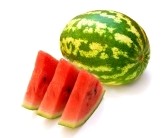
Health in Watermelon


Health in Watermelon

Source - Nestle Family

Watermelon is a fruit that is loved by all especially during the summer months. It is not only delicious and thirst quenching but it is also low in calories and very nutritious.

Watermelon is an excellent source of Vitamins A, B6 and C, and potassium.

Vitamin A found in watermelon in the form of beta carotene is important for eye health, can help prevent night blindness and boosts immunity.

Vitamin B6 is used by the body to manufacture brain chemicals (neurotransmitters), such as serotonin, melatonin and dopamine, which preliminary research shows may help the body cope with anxiety and panic.

Vitamin C helps boost the immune system's defenses against infections and viruses and can protect your body from harmful free radicals that can accelerate aging and conditions such as cataracts.

Potassium - Watermelon is also a source of potassium, a mineral necessary for water balance and found inside every cell. It is believed to help control blood pressure and possibly prevent strokes.

And Antioxidants - It is high in Lycopene second after tomatoes. Recent research suggests that Lycopene, a powerful antioxidant, is effective in preventing some forms of cancer and cardiovascular disease.

Watermelon is free from saturated fat and cholesterol which means that it can be part of a heart-healthy diet that is good for the heart and overall health.

Because of all these benefits, watermelon can be a light, fat-free dessert and thus a healthy snack for you and your family.

Good to Know

Watermelon contains 92% water so it is the perfect treat during the summer and replenishes body fluids lost during exercise.

High in Nutrition

Two-cup of sliced watermelon contain only 80 calories, two grams of fibre, 25% of the daily value of vitamin C, 20% of the daily value of vitamin A and 25 grams of natural fruit sugar.

How to Choose Watermelon?

A good melon should feel heavy for its size, and it shouldn’t be bruised, shrivelled, cracked or mouldy. The melon should have a faint aroma and the end should be soft.

Don’t forget!

Wash the exterior of the melon before slicing to remove any bacteria on the surface. Melons are great eaten alone, mixed in salads or with yogurt or cottage cheese.

Mar 21, 2011

Healing power of Dark Chocolate


Healing powers of Dark Chocolate

Source - Reader's Digest

Dark chocolate contains hefty amounts of disease-fighting flavonoids, anti-oxidants also found in red wine and lots of different fruit and vegetables. In fact, it appears to have more flavonoids than any other food. Studies find its anti-oxidants can significantly improve blood pressure, prevent blood clots, slow the oxidation of LDL cholesterol (making it less likely to stick to artery walls) and reduce inflammation. Some research suggests that eating a few squares a day can cut heart attack risk by 10 per cent. Eating dark chocolate can also lower insulin resistance, the main problem behind diabetes.

For the most anti-oxidants, look for dark chocolate that contains at least 60 per cent cocoa.

How much is enough: About one or two squares is considered one serving. You can have one to two serves every day unless you’re trying to lose weight.

Buying right: Buy from a shop with good turnover and look for clean, neat packaging – a sign the chocolate is fresh. Store chocolate in foil and plastic wrap. Chocolate may develop a light coating or ‘bloom’, but this won’t affect flavour or texture.

Other facts:

Dark chocolate is made from the roasted beans of the cacao tree, native to South America. Columbus ‘discovered’ these beans, and the returning crew of his fourth voyage took them to Europe.

Originally cocoa was consumed as a beverage made by combining the ground beans with water. Chocolate was first seen in bar form in about 1910. It’s made mainly from cocoa solids and cocoa fat (aka cocoa butter) plus sugar.

Milk chocolate also contains milk or milk powder. White chocolate (mostly sugar, milk powder and cocoa butter) lacks the cocoa solids that provide the health benefits of its darker cousins.

Cocoa butter’s melting point is just below human body temperature - the reason chocolate melts so beautifully in your mouth.

Mar 12, 2011

Calorie content in Snacks


Calories in Snacks

Instant noodles, 1 packet - 402 calories

Potato chips, Large packet - 547 calories

Idli, 1 piece - 66 calories

Poha, Small bowl - 123 calories

Vegetable Upma, small bowl - 120 calories

Burger, 1 - 380 calories

French fries, small serving - 180 calories

Cream biscuit, 1 - 50 calories

Samosa, 1 - 156 calories

Green salad, Small bowl - 53 calories

Roasted peanuts, Small bowl - 210 calories

Roasted chana, Small bowl- 92 calories

Khakra, 1 - 70 calories

Health benefits of Cauliflower


Health Benefits of Cauliflower

Source - Reader's Digest

An excellent source of vitamin C.

A good source of folate and potassium.

Low in calories and high in fiber.

An anticancer food.

To retain flavor and reduce nutrient loss, cook cauliflower rapidly by boiling in a minimum amount of water or steaming. Too much cooking turns cauliflower mushy and releases sulfurous compounds, resulting in an unpleasant odor and bitter taste. Boiling the vegetable in an open pot helps disperse these compounds. To avoid discoloring the cauliflower, don’t cook it in aluminum or iron pots.

When buying cauliflower, look for a head with firm, compact florets. If it is fresh, the leaves will be crisp and green, and the head, snowy white.

Mar 6, 2011

Butter tops the food triangle - Today's advertisement of Amul Butter


Butter tops the food triangle. Today’s advertisement of Amul Butter ... Digest these facts.


Butter & Immune system

Essential fatty acids, short chain & medium chain fatty acids in butter have an immune strengthening effect.


Butter & Osteoporosis/Arthritis


Vitamin D helps absorption of Calcium which in turn
prevents osteoporosis in old age. It also prevents a disease called Osteomalacia (soft bones) in children. Vitamin E, a potent antioxidant assists in preventing Rheumatoid Arthritis.


Butter & Digestibility


Butter is a natural source of easily digestible fats. Small and medium chain fatty acids in butter bum easily for energy com pared to margarine made of other fats, Butter consumption is less prone to weight gaincompared to other habits of fat + carbohydrate intake.
.
Butter & Heart Disease


Butter contains a natural balance of fatty acids.
Butter substitutes like margarine may contain synthetic trans fats, which have a bad effect on heart health.
Butter is free of synthetic trans fats.

Butter & Cancer


Butter contains CLA (conjugated linoleic acid), sphingolipids and butyric acid which are known to protect against cancer. In fact butter is one of the richest sources of CLA.

Butter as a source of natural nutrients

Vitamin A found in butter is necessary for healthy eyes. Vitamin D is useful in calcium absorption. Vitamin E is a natural antioxidant Essential fatty acids like linoleic, linolenic acid, etc. are also found in butter in their natural form.

Mar 2, 2011

Health benefits of Garlic


Health benefits of Garlic

Source - Reader’s Digest

Garlic boosts the immune system, controls blood sugar and lowers blood cholesterol. It is helpful in treating respiratory problems and poor digestion. It is known to have wonderful antibacterial, antiviral, antifungal and antioxidant properties.

Other interesting facts:

Garlic has been used throughout history to ward off the Plague and to protect soldiers from gangrene. Today this herbal “wonder drug” is used for a myriad of health problems, including high cholesterol and coughs.

Know Your Garlic:

For those looking to reduce sodium intake, garlic is the answer! The hot, strong taste of fresh garlic gives food a zing no amount of salt can equal. Buy cloves in bulk and store in a cool, dark place.

To get the most health benefits out of your garlic:

Always peel it first. Otherwise, some of the disease-preventing compounds might not form.
Give it a break after cutting or crushing it. Leave it there on the cutting board for about 10 minutes to allow the health-promoting compounds to form.

To get rid of garlic breath, chew on fresh parsley, mint, or lemon or orange peels, and use lemon juice to get the odor off your hands.

Healthy Investments

Garlic Peelers and Garlic Crushers are two gadgets that make using fresh garlic not only easy, but fun. A garlic peeler — really, a small plastic tube — takes the work and mess out of peeling garlic. Just put a whole garlic clove inside the tube and roll it back and forth, pressing firmly. VoilĂ ! A naked clove, ready for your garlic crusher.


Health Benefits of Almonds ( Badam )


Source - Reader’s Digest


Almonds contain omega 6 fatty acids that play a crucial role in brain functions as well as normal growth and development. They help in stimulating skin and hair growth, regulate metabolism and maintain bone health. 


Other facts:


Almonds are a powerhouse of nutrients. While high in calories (170 per ounce — 20 to 25 nuts), they have the best ratio of important nutrients to calories of any nut. A good source of vegetable protein and vitamin E, almonds are exceptionally high in riboflavin. They also contain large amounts of calcium, iron, zinc, thiamine, niacin, and folic acid. They’re high in fiber and low in sodium. Clearly, you’d be nuts not to enjoy them often! Eat moderately !! Not more than 5 almonds !!!